Tomorrow, and Tomorrow, and Tomorrow. On Games and Friendships.
“To allow yourself to play with another person is no small risk. It means allowing yourself to be open, to be exposed, to be hurt.”
For years, I had been aware of Gabrielle Zevin’s novel Tomorrow, and Tomorrow, and Tomorrow. It seemed omnipresent — in every bookshop, on every bestseller list, and all over social media. Despite this, it took me two years to finally pick it up. I’m glad I did; I couldn’t put the book down. It felt deeply nostalgic
Gaming Nostalgia
As a child, I loved playing all kinds of games — computer games, board games, and arcade games. My sister and I were only allowed 30 minutes of screen time each day, leading to frequent battles over who would play first. I vividly remember bribing my sister with M&Ms to let me finish a level or decorate a house in The Sims 2 before our mum intervened. My all-time favourites were The Sims, Age of Empires, Fallout, Mafia, Call of Duty, and World of Warcraft.
I also remember inviting friends over to play Harry Potter games. It was almost a ritual: we’d rush to the shop for unhealthy snacks, gather around the laptop, and watch each other play our favourite characters. These sessions could last for hours, only interrupted by my parents calling to check if we had “read the book, cleaned the house, or finished our homework.” Many of my childhood friendships were formed through a shared passion for gaming, reading, and learning (I was a hardcore nerd). This love for gaming made the story of Sadie and Sam resonate deeply with me.
The Story of Sadie and Sam
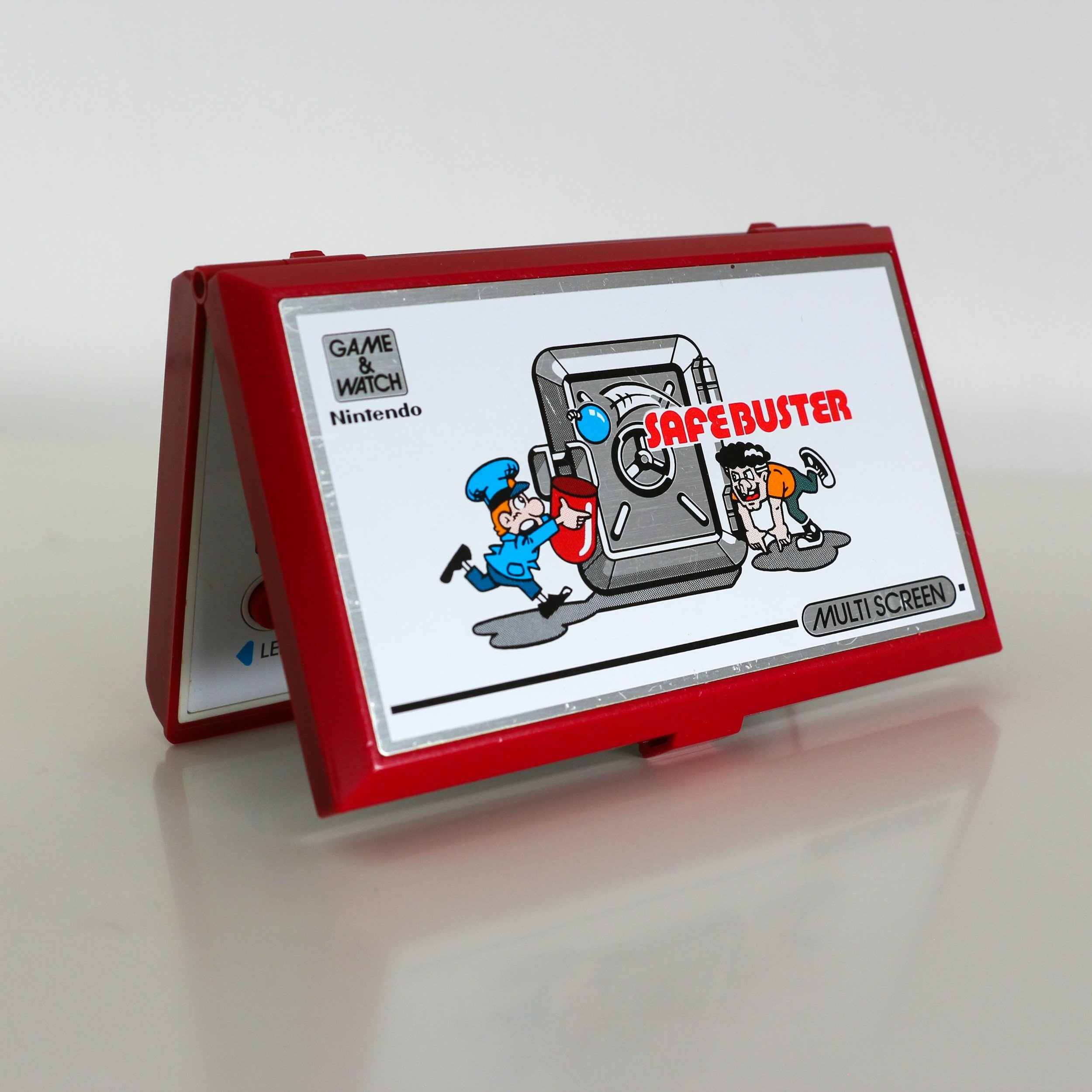
The novel tells the story of Sadie and Sam, two friends who bond over playing video games and grow up making them together. Sam, who is chronically ill, finds solace in playing Super Mario Bros. in the rec room, where he meets Sadie, who is visiting her sister. This initial encounter sets the stage for their deep, complicated relationship. Years later, they run into each other in Cambridge, with Sadie attending MIT and Sam at Harvard. They decide to combine their talents to create video games.
Together with Sam’s roommate Marx, they develop a brilliant game called Ichigo, which becomes a big hit. Their company, Unfair Games, becomes a significant player in the industry, and Ichigo, featuring a gender-neutral character, garners both commercial success and critical acclaim. However, despite their professional triumphs, wealth, and recognition, their partnership is tested by the pressures and dynamics of the gaming industry. Sadie resents that Sam receives most of the credit for the game, while Sam is frustrated that Sadie prioritises design over making their company viable.
Identity and Gender in the Gaming Industry
Zevin does a brilliant job of showing the behind-the-scenes lives of the two protagonists, describing how their identities were shaped by their upbringing. Sadie struggles with being recognised as a female game developer despite her arguably greater contributions. She pushes her limits by working around the clock to prove herself in the industry. As a woman in tech, I can relate to Sadie’s experiences. Women remain severely underrepresented in tech and finance, often facing gender biases and stereotypes. There’s a pervasive feeling that we must continually prove ourselves.
I also sympathise with Sam, who grew up poor in a second-generation Asian-American family. Throughout his childhood, he watched his mother struggle to make a living as a Korean-American actress. Young Sam faced traumatic events, including witnessing a tragedy and surviving a life-altering accident. These experiences left him with significant physical and emotional scars, shaping his journey and character. For Sam, Unfair Games represents a gateway to financial stability and an opportunity to “finally pay off the medical bills and student loans.”
Despite their ups and downs, Sam and Sadie care deeply for each other, maintaining a personal, professional, and creative partnership that makes the novel truly remarkable. Their enduring bond and platonic love resonate deeply with readers. I often find myself thinking that it is a privilege and joy to have such a bond with a friend. Sam and Sadie never become lovers, despite Sam’s lifelong affection for Sadie. However, as Sadie mentions at the end of the novel, they share a bond far greater than physical affection: they are “true life collaborators.”
“It’s more than romantic. it’s better than romance. It’s friendship”
Friendship vs Professional Partnership
Combining friendship and professional partnership is a delicate balance, often fraught with challenges. While friendship fosters tolerance for flaws and peculiarities, business demands a different set of criteria. We might overlook our friends’ quirks or lack of competence in personal settings, but in a professional context, the stakes are higher, and compromises can be very expensive.
Personally, a successful business partnership requires non-negotiable qualities: discipline, willingness to experiment and take risks, and a focus on execution over dreaming. While expecting stoicism might be idealistic, adaptability, self-awareness, and persistence are crucial traits for me.
Sam, Sadie, and Marx: An Ideal Partnership?
Reflecting on Sam and Sadie, it’s impossible not to mention Marx, the third co-founder of Unfair Games. Marx, Sam’s college friend and roommate, later became a producer and ultimately the COO/CFO of the company. Although Marx isn’t a game designer or developer like Sam and Sadie, his brilliance as an entrepreneur and visionary, coupled with his business acumen, greatly contributed to their success. He is a charismatic, smart, and kind character who always puts others’ needs first. What I admire most about Marx is his empathy and his ability to recognise and nurture other people’s talents. Despite often being downplayed by Sam and Sadie, Marx always knew that a company can’t be built by dreamers alone; you need doers to keep the wheels rolling.
“Marx was fortunate because he saw everything as if it were a fortuitous bounty”
In this respect, Sam, Sadie, and Marx exemplify an almost ideal business partnership. They were masters of their skills and had impeccable work ethics. Despite many of their games failing and facing harsh criticism, they kept moving forward. Their ability to merge their talents showcased their compatibility and unwavering commitment to their shared vision — creating games that bring joy to people.
Historical Context
Zevin also does a wonderful job immersing the reader in the events surrounding the main characters, from the heavy Japanese influence that characterised the late ‘80s–’90s video game scene to life in America post-9/11 and San Francisco’s issuance of same-sex marriage certificates in 2004, which was thwarted by the Supreme Court. The novel’s backdrop enriches the characters’ journey and highlights the evolving landscape they navigate. It gently shows how games can ease human suffering and despair by creating worlds opposite to our own, offering an escape where people are free to choose their own gender, have same-sex marriages, and live without the constraints and prejudices of the real world. Through this lens, Zevin highlights the power of games to provide solace, foster inclusivity, and imagine a more accepting and just society.
Conclusion
I hope I didn’t spoil too much; I was careful to mention only the bare minimum so you can experience and feel the story for yourself. Tomorrow, and Tomorrow, and Tomorrow feels close to me because I resonate with and relate to its characters. It also gave me great satisfaction to learn more about the game development process and what it takes to build a gaming company — the blood, sweat, and tears required to create a product that will be loved by many. The novel illustrates the crucial roles of empathy, storytelling, and psychology in building virtual worlds that feel like home for many players. As Marx profoundly reflects, “What is a game? It’s tomorrow, and tomorrow, and tomorrow. It’s the possibility of infinite rebirth, infinite redemption. The idea that if you keep playing, you could win. No loss is permanent, because nothing is permanent, ever.”
Grateful,
Elvira